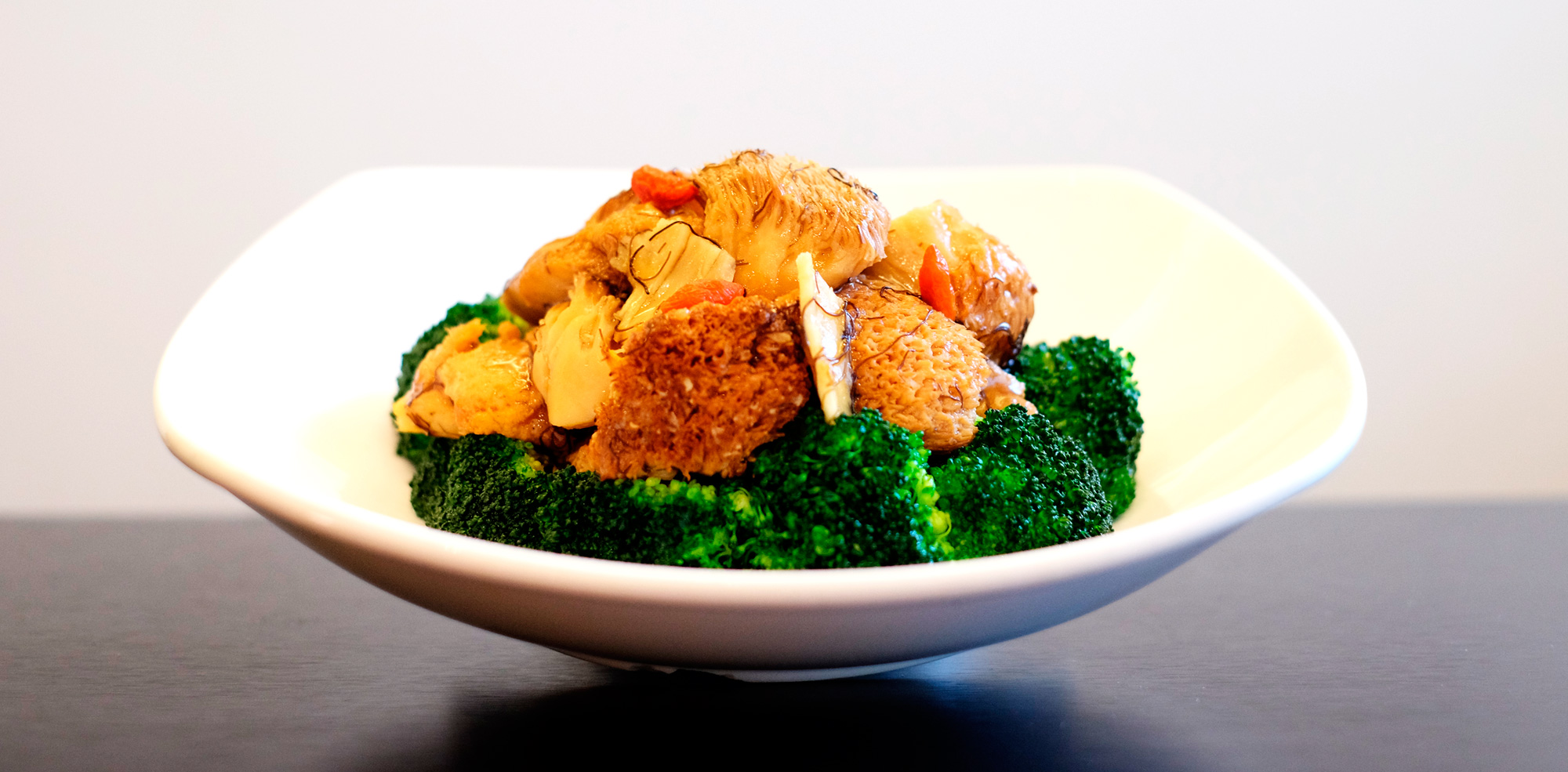
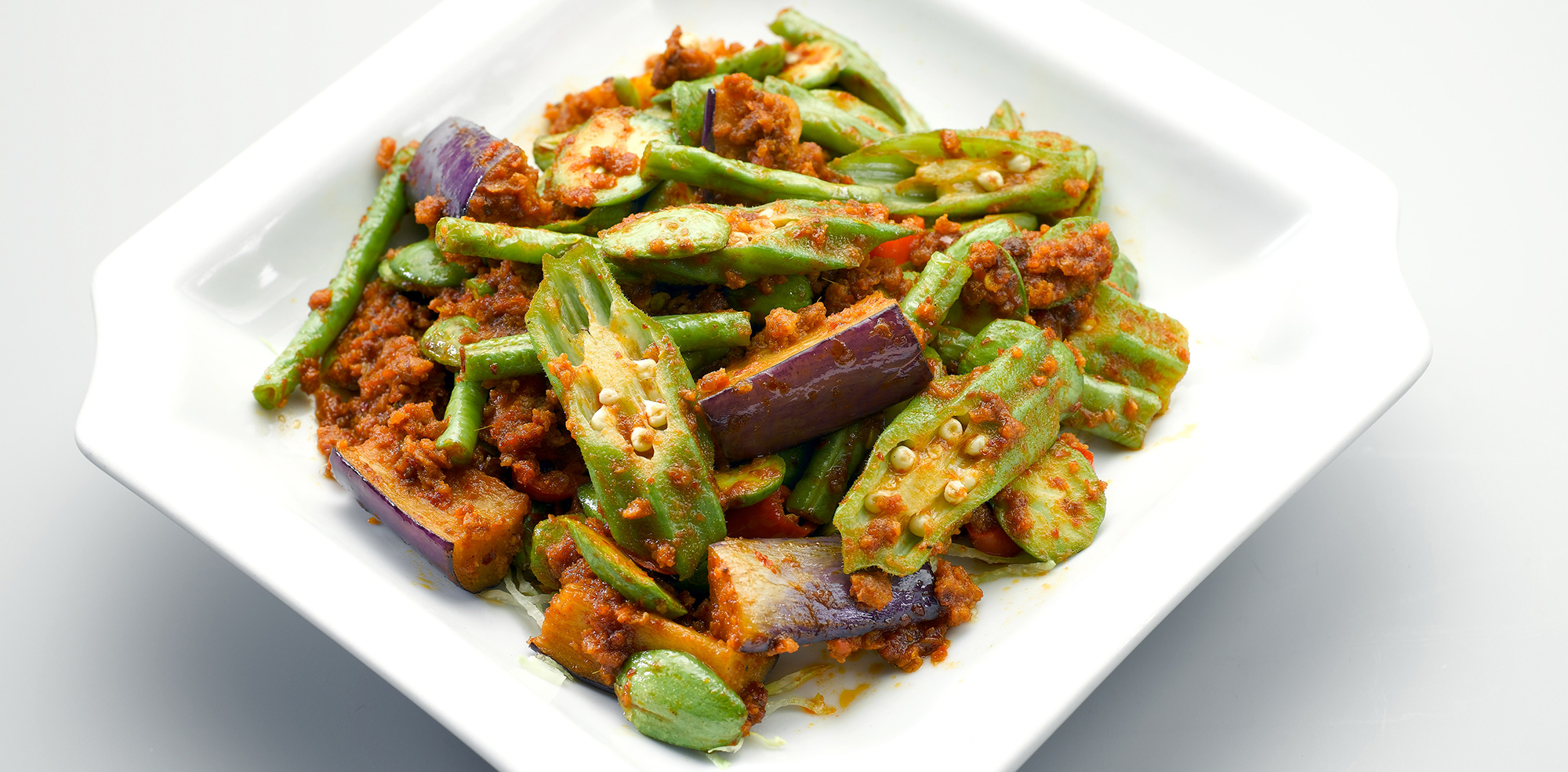
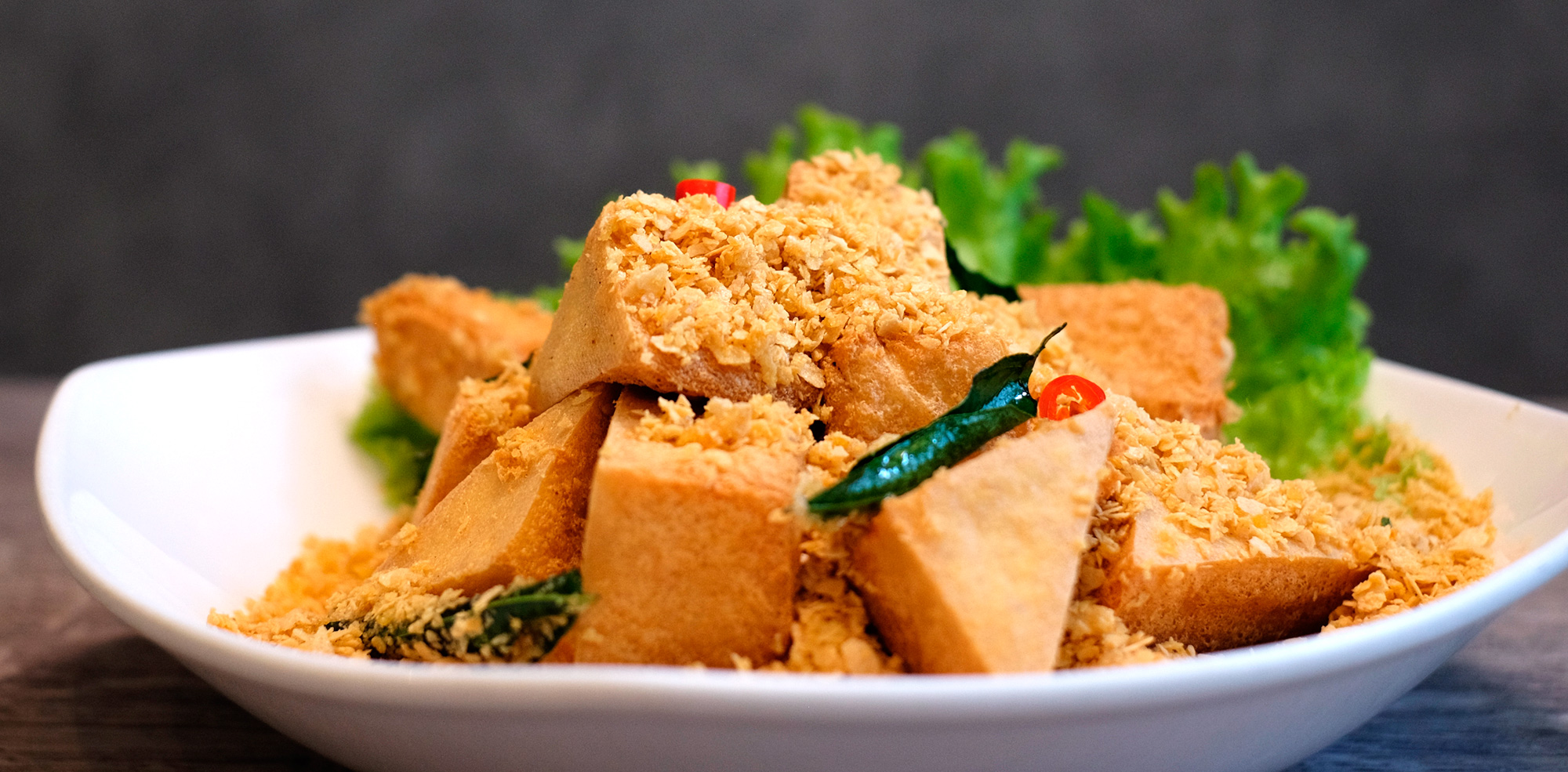
“ If plant-based ingredients could be creatively put together to achieve great taste, more people around the world would be happy to embrace quality plant-based food in their everyday lives. ”
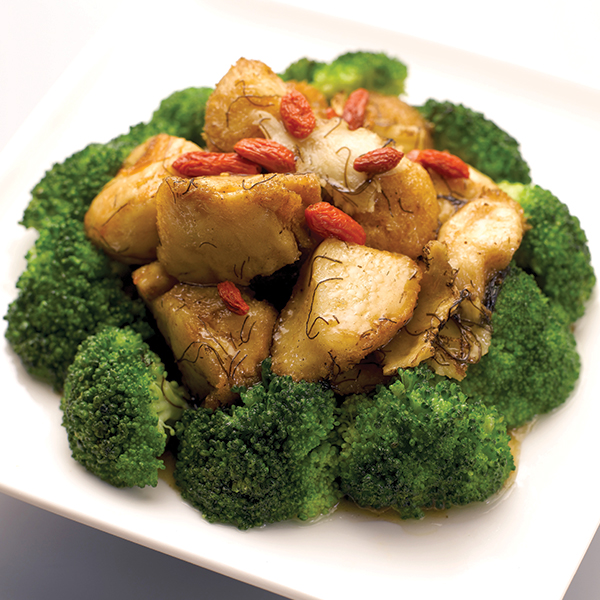
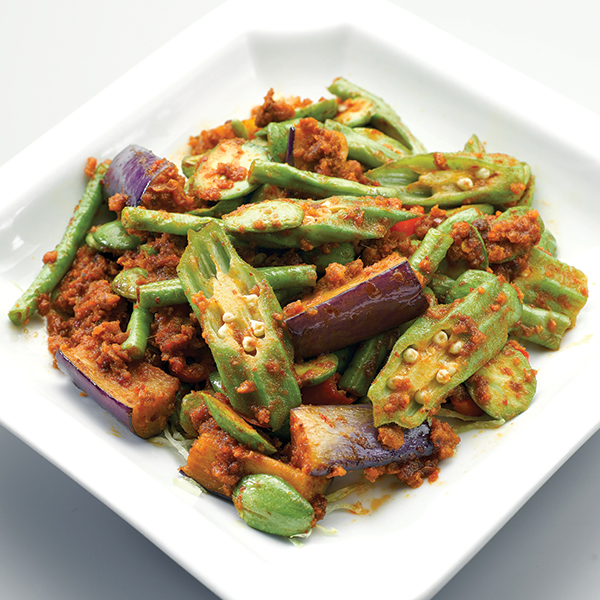
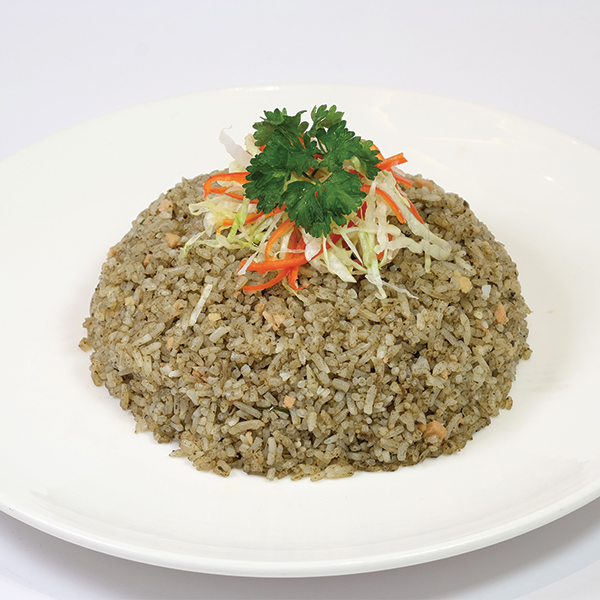
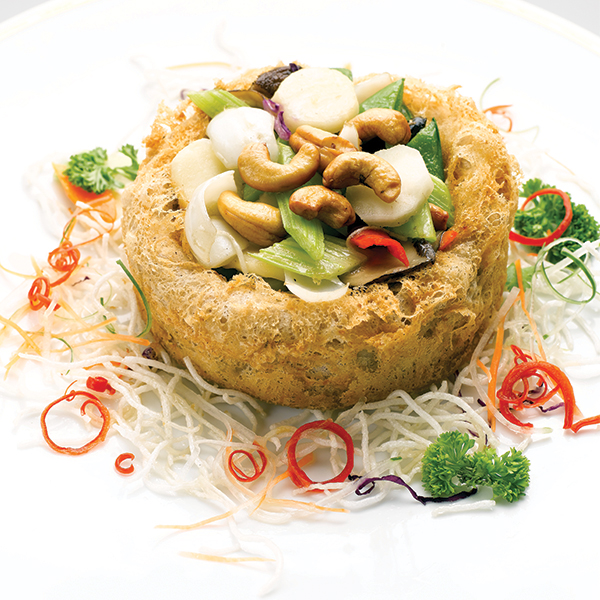
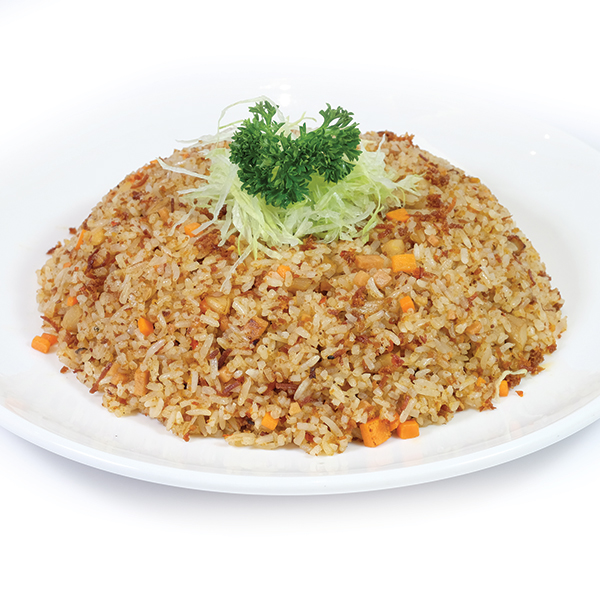
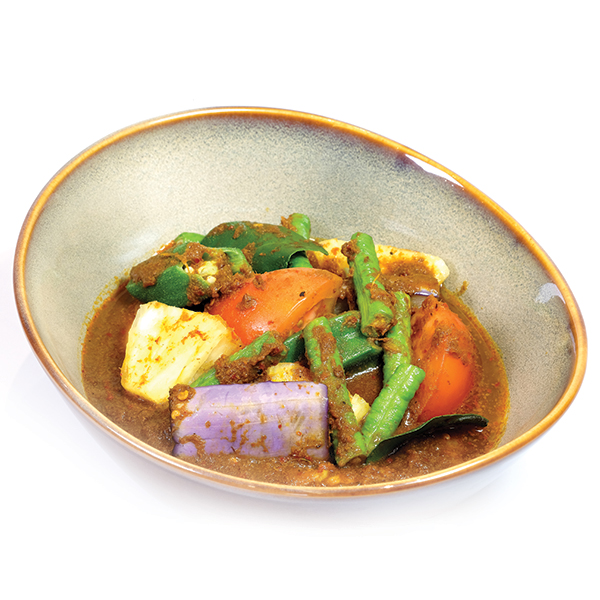
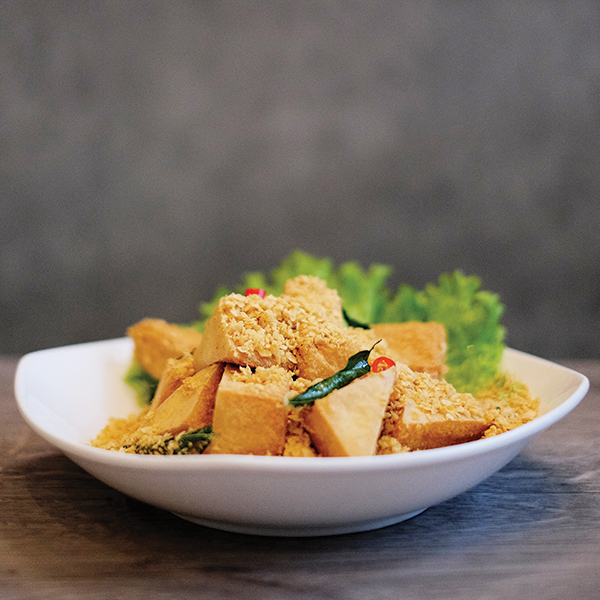
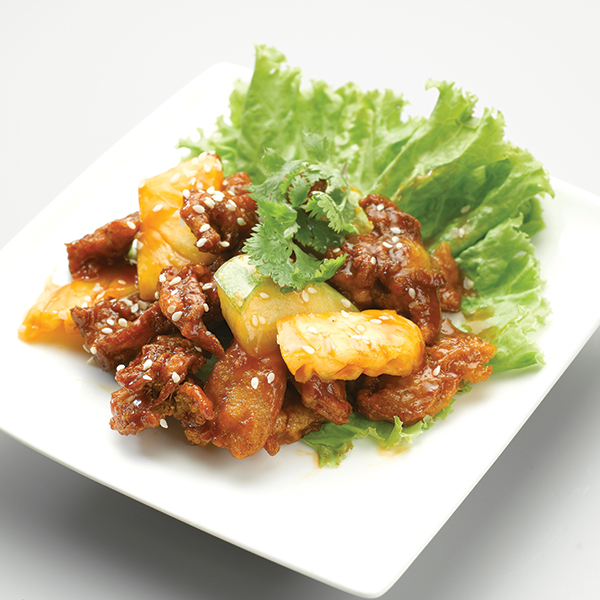
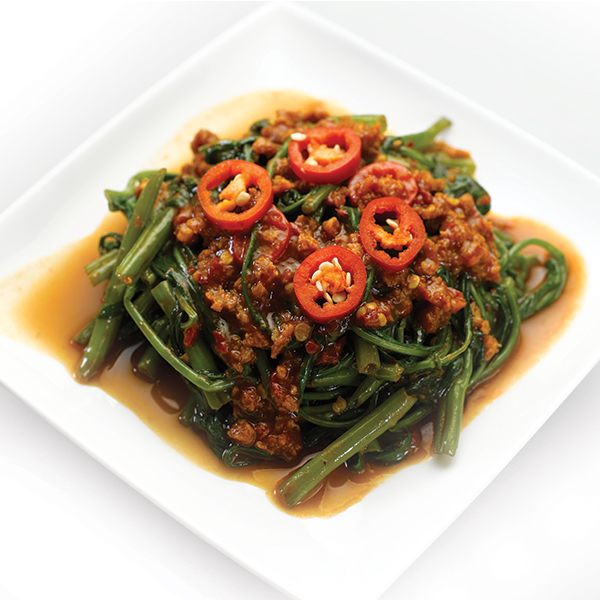
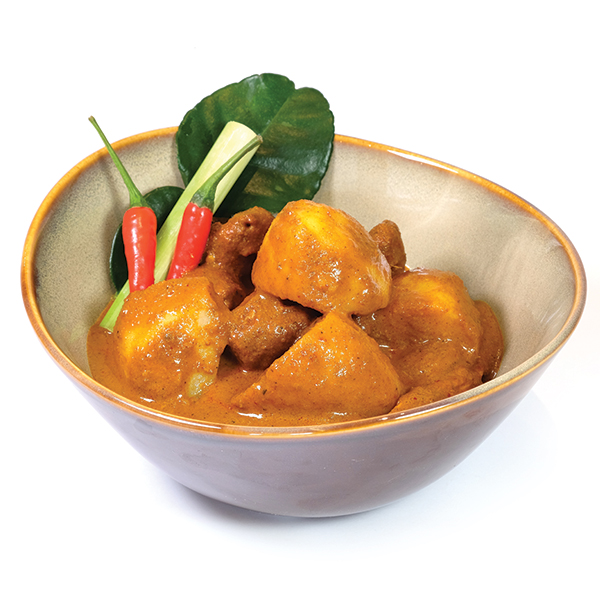
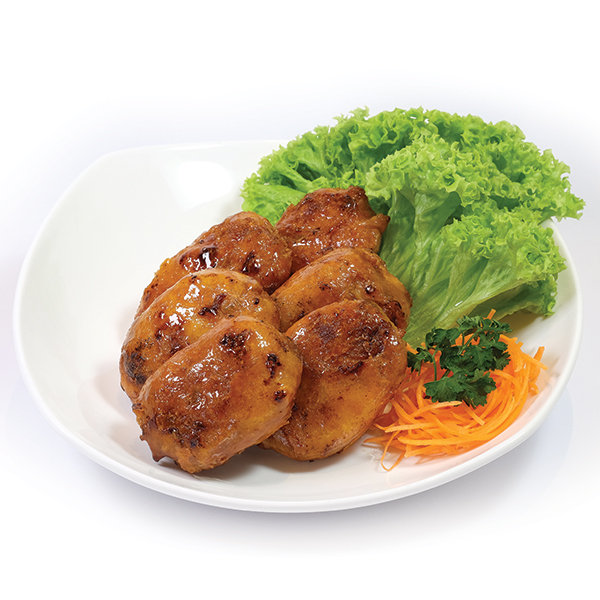
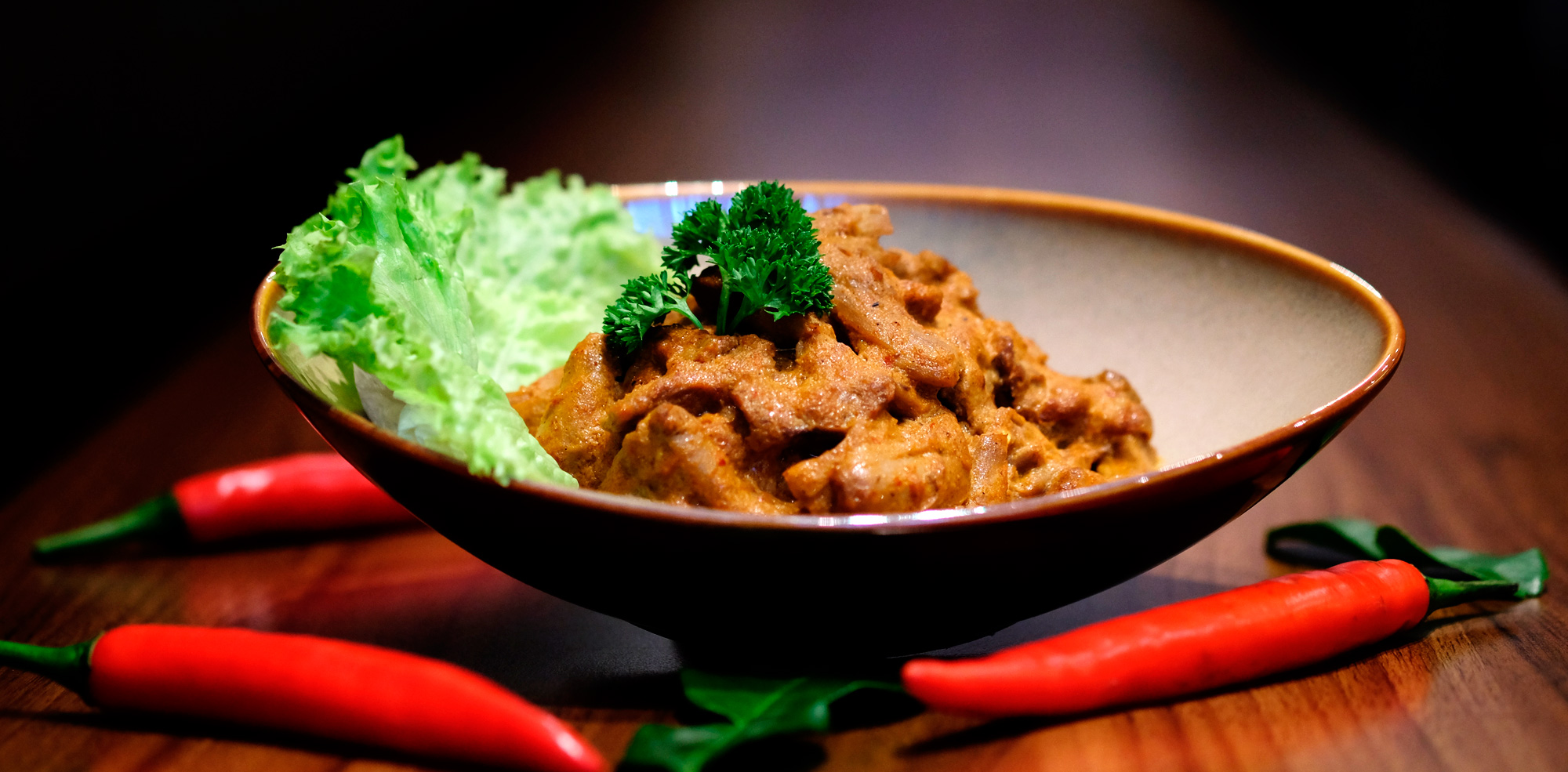
We continue on our mission to elevate the standard of plant-based cooking and promote it to a wider audience. Locals, expatriates and tourists adore our fresh vegetables, legumes, mushrooms and grains, dished to authentic Peranakan and Thai perfection.
Using only the freshest ingredients, cooked and simmered with care – we seek to deliver consistent great quality and taste to you - our friends at Whole Earth.
We travel around the world to explore new ingredients and cuisines. It has been a great and fulfilling journey for us since 2003. We look forward to more amazing years ahead.
P.S. We are proud to be Singapore’s first and only plant-based restaurant to be awarded the Michelin Bib Gourmand for 7 years since 2016 - 2023!
11.30am - 3pm (last order 2.30pm)
5.30 - 10pm (last order 9pm)
Closed on Mondays
For reservations and bookings:
The first and only Peranakan-Thai vegetarian restaurant in Singapore, Whole Earth was founded in 2003 with the mission to elevate the standard of plant-based cooking and promote it to a wider audience beyond vegetarians and vegans in our little red dot.
For business enquiries only, email us at info@wholeearth.com.sg.
(We kindly request that you do not make reservations through this email. Thank you.)

Copyright Whole Earth 2017. All Rights Reserved